
led vanity mirror with storage
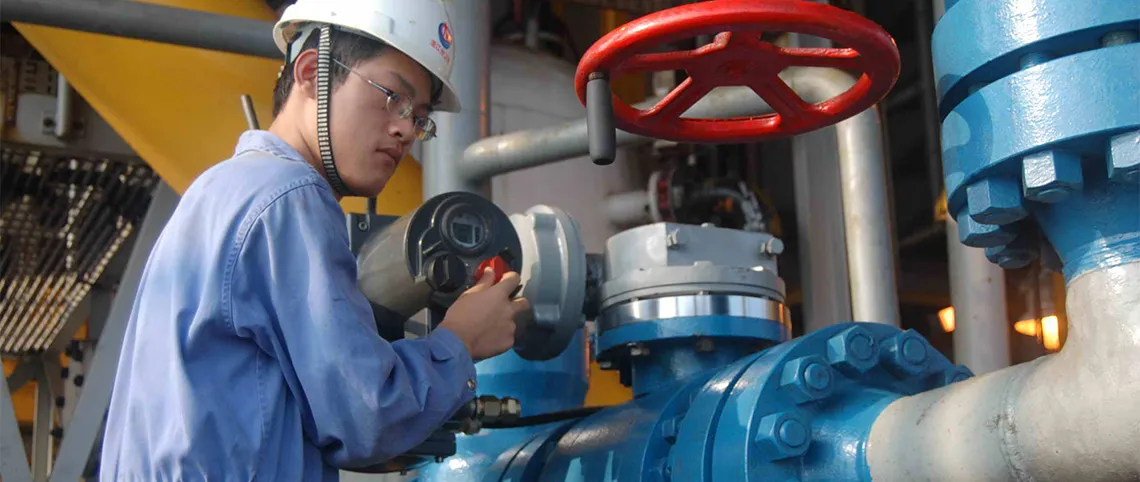
Understanding the 63mm Gate Valve An Essential Component in Fluid Control Gate valves are integral to many industrial applications, serving a critical role in the management and regulation of fluid flow. Among the various sizes and types of gate valves, the 63mm gate valve stands out for its versatility and efficiency. In this article, we will explore the features, benefits, and applications of the 63mm gate valve, shedding light on why it is essential in various industries. What is a Gate Valve? A gate valve is a type of valve used to control the flow of liquids and gases in a pipeline. It operates by raising or lowering a gate mechanism, which can either fully open or completely close the flow of fluid. This design minimizes pressure loss and provides a smooth flow, making gate valves highly effective for applications where full flow is essential. Features of the 63mm Gate Valve The 63mm gate valve is designed to accommodate pipes with a nominal diameter of 63 millimeters. Typically constructed from durable materials such as cast iron, brass, or stainless steel, these valves offer robust performance even in challenging environments. They feature a simple yet effective design, which includes 1. Rugged Construction Designed to withstand high pressure and temperature variations, making them suitable for a range of applications. 2. Ease of Operation The operation mechanism, often handwheel or gear-driven, allows for smooth opening and closing, facilitating rapid flow control. 3. Low Flow Resistance The straight-through design ensures minimal turbulence and pressure drop, which is critical in maintaining system efficiency. Benefits of Using a 63mm Gate Valve gate valve 63mm 1. Reliability With their straightforward design and fewer moving parts, gate valves are known for their reliability and long service life. This makes them a preferred choice in critical applications. 2. Versatility The 63mm size makes these valves suitable for various hydraulic applications, whether in water supply systems, sewage treatment plants, or industrial processes. 3. Cost-Effectiveness While the initial investment may vary, the long-term savings on maintenance and downtime make gate valves a cost-effective solution. 4. Minimal Leak Potential When fully closed, the design of the gate valve significantly reduces the chance of leaks, ensuring safety and efficiency in fluid control. Common Applications The 63mm gate valve finds use in numerous sectors, including - Water Supply and Distribution Essential in municipal water systems for controlling flow and maintaining pressure. - Fire Protection Systems Used in fire hydrant systems to regulate water supply effectively. - Industrial Processes Commonly found in chemical processing, oil and gas applications, and power generation plants. Conclusion In conclusion, the 63mm gate valve plays a vital role in fluid management across various industries. Its reliability, versatility, and efficient design make it an essential component in ensuring smooth and controlled fluid flows. As industries continue to evolve, the importance of such valves in optimizing operations and maintaining safety cannot be overstated. From municipal water systems to complex industrial applications, the gate valve remains a cornerstone of modern engineering solutions. Investing in high-quality gate valves is not merely about compliance but about enhancing operational efficiency and ensuring long-term reliability.
about
led vanity mirror with storage
The Importance of Plug and Ring Gauges in Precision Engineering In the field of precision engineering, the need for reliable measurement tools cannot be overstated. Among these instruments, plug and ring gauges stand out as vital components in ensuring dimensional accuracy and quality control during the manufacturing process. This article explores the significance, construction, and applications of plug and ring gauges in the industry. Understanding Plug and Ring Gauges Plug gauges are designed to check the internal dimensions of a product, such as holes or cylindrical features. They come in various forms, including plain, tapered, and threaded plugs. The fundamental purpose of a plug gauge is to determine whether a hole is within specified tolerances—too small (reject), acceptable (go), or too large (not go). This effectively helps engineers and quality control personnel identify any deviations in manufacturing from the desired specifications. On the other hand, ring gauges are utilized for checking the external dimensions of cylindrical objects, such as shafts or pins. Like plug gauges, ring gauges also have go and not go ends. The “go” end checks if the component fits within accepted limits, while the “not go” end ensures that the component does not exceed maximum tolerances. This dual functionality makes ring gauges indispensable in the machining and manufacturing sectors. Construction and Material Both plug and ring gauges are typically made from high-quality steel or carbide, materials known for their toughness and wear resistance . Their construction involves precision machining and heat treatment processes to enhance their dimensional stability, which is crucial for maintaining accuracy over time. The surface finish of these gauges is meticulously controlled to minimize friction and wear, further ensuring that measurements remain precise throughout their lifespan. plug and ring gauges Precision standards for manufacturing these gauges are defined by organizations such as the American National Standards Institute (ANSI) and the International Organization for Standardization (ISO). Adhering to these standards ensures the consistency and reliability of the measurement tools across different industries and applications. Applications in Industry Plug and ring gauges find use in multiple industries, including automotive, aerospace, electronics, and general manufacturing. In the automotive sector, they are essential for ensuring that parts fit together seamlessly, which is crucial for the safety and performance of vehicles. For example, in assembling an engine, plug gauges verify that the inner diameters of the cylinders are within tolerance to accommodate pistons without excessive clearance. In the aerospace industry, stringent tolerances are required to maintain the integrity and reliability of components that operate under extreme conditions. Both plug and ring gauges are employed to check the dimensional accuracy of various aircraft parts, ensuring that they meet rigorous safety and performance specifications. Furthermore, with the rise of Industry 4.0 and increased automation in manufacturing processes, the role of gauges has evolved. Many manufacturers are now integrating these traditional measurement tools with digital technologies and automated systems. This integration often leads to enhanced measurement accuracy, reduced human error, and improved efficiency in production lines. Conclusion In conclusion, plug and ring gauges are fundamental tools in the realm of precision engineering. They ensure that products meet rigorous dimensional tolerances, impacting the overall quality and functionality of manufactured items. As technology advances, these gauges may continue to evolve, integrating with new measurement technologies to provide even greater accuracy and efficiency. For industries relying on precision, the role of plug and ring gauges will remain critical, underscoring their importance in quality control and assurance processes in manufacturing environments.
-

High quality industrial productsagement

High quality industrial products
View Details -

Meet the diverse needs of customers

Meet the diverse needs of customers
View Details -

Strict quality control

Strict quality control
View Details -

Top raw materials

Top raw materials
View Details -

Trusted supplier

Trusted supplier
View Details
Our application

news and information

Wood Connectors and Brackets for Building Strong and Durable Wooden Structures and Projects
Brackets for Connecting Wood An Essential Tool for Any Woodworking Project When it comes to woodwork

Valvola di ritegno di mezzo pollice
Valvole di controllo da mezzo pollice Funzioni e applicazioni Le valvole di controllo da mezzo polli
welding tables should be made of
The Importance of Welding Tables Material Considerations Welding is an essential process in various
 English